
Experts believe that antibiotics used on farms are making bacteria more resistant to drugs and making our medicines less effective against infection.
Must Read: 2007 year end health savings account strategies
Despite warnings from global health experts, some drug companies continue to encourage livestock farmers to use antibiotics beyond what is necessary.
This was the conclusion of a New York Times article earlier this month. That investigation reported that drug makers have been pushing to sell more antibiotics to farmers, in spite of warnings about how overuse is leading to germs becoming antibiotic-resistant.
Antibiotic resistance would not only mean that sick chickens, cows, or pigs will be more difficult to treat.
Many of the same germs they have can also affect us. We use some of the same antibiotics as we used to treat our livestock.
- Overuse of antibiotics can lead to a loss of ability to treat infections.
- Experts said this connection makes the rise in antibiotics in agriculture a concern.
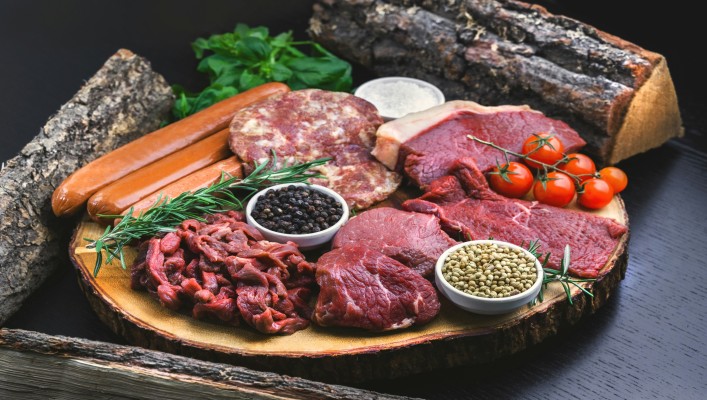
- Experts told Healthline that this also highlights the importance of buying meat that is free from antibiotics whenever possible.
- Farm antibiotics and their effects
The World Health Organization (WHO), has identified several antibiotics that are medically important for human health.
Most popular: how to get low cost health insurance
- The agency recommended that farms be less dependent on these drugs.
- It is hoped that microbes will adapt and resist to these drugs lessening their resistance.
The WHO and other agencies warn that if antibiotic use is not reduced, nearly all current antibiotics won't be able to treat or prevent diseases in humans by 2050.
Healthline: Antibiotics are a valuable part of the modern medicine toolkit, Dawn Undurraga RD, a nutritionist at the Environmental Working Group, and author who studies the effects of antibiotic resistance, said. They've been used in animal agriculture and human medicine for many years.
She said that it is important to not take antibiotics as a given and to be less generous with their use.
Undurraga stated, When bacteria is exposed to drugs on a regular basis, especially at low doses, they don't all die. And those who survive thrive and pass on their resistance genes.
Farmers are under increasing pressure
- According to new estimates, more than 162,000 Americans are affected by antibiotic-resistant infections each year in the United States.
- Farmers are under pressure to ensure that their animals are healthy and fat, but also that they aren't spreading deadly diseases that antibiotics can prevent.
- According to the New York Times, Elanco was one of the biggest livestock drug companies and warned farmers not to let their pigs become patient zero in any future outbreaks of disease.
- They suggested that farmers give all their pigs antibiotics before they arrived. This would make them fatter.
- According to the New York Times, Elanco stated that it had stopped marketing after being asked by the newspaper.
- The episode also highlighted the dilemmas that farmers face despite increasing calls to reduce antibiotic use.
Never Miss: health insurance is not health assurance
Food and Drug Administration (FDA), has banned the use medically important antibiotics in livestock for growth promotion and feed efficiency. They also had to be monitored by a veterinarian.
- Critics have pointed out that the rule is too loose.
- However, there have been some signs of success.
Lena Brook (Director of the Natural Resources Defense Council's Food Campaigns) pointed out the chicken industry.
In 2014, 3 percent of the US market was dominated by chickens raised without antibiotics. They were antibiotic-free in 2018 at 51 percent
Brook said to Healthline, It's an impressive shift.
She attributes the changes to restaurant chains setting voluntary policies to eliminate routine antibiotic use in their supply chains. The NRDC has also been pushing for an anti-antibiotic use scorecard.
Also Read: key to optimal health
Brook stated that Brook has seen an impressive domino effect over the past few years. Brook said, There's an industry-wide new norm that has been established and we would love to see the beef or pork industry follow suit.